There’s no shortage of things to see and do at Trilby Station, but the beauty of staying here is that you can do as much — or as little — as you please!
Whether you’re keen to explore our vast outback backyard, discover a little pioneering history, try your luck fishing in the Darling or simply settle into a comfortable chair with a good book and a cold drink, the choice is entirely yours. No schedules, no crowds and certainly nobody telling you what to do. You’re on outback time now!
Gary and son Will are usually somewhere out on the station keeping our thousands of four-legged residents happy. You might spot them overhead in one of our Cessna 172s (our ‘Toyotas in the sky’) or the helicopter, mustering sheep or checking water supplies. Or perhaps you’ll cross paths with them somewhere out the back, with your Mud Map in hand.
And Sometimes, Doing Nothing Is Everything
Explore Trilby on our Mud Map Drives

Of course, not every outback adventure needs to involve covering kilometres.
Some of the best moments at Trilby are the simplest — a morning cuppa beside the river, watching the changing colours of the landscape, a spectacular sunset or an evening spent around the campfire beneath a sky absolutely bursting with stars.
No traffic, no crowds, no rush.
Just the freedom to enjoy the outback, your way.
And if your biggest achievement for the day is finishing a good book and watching the sun go down, we’d call that a pretty successful day at Trilby!
One of the best ways to appreciate the sheer size, diversity and history of Trilby Station is to head off on our self-guided Mud Map Drives.
With approximately 90km of station tracks divided into two drives, you can explore at your own pace, travelling from the rich black-soil floodplains of the Darling River through to the red loam country and ironstone ridges further west. The changing landscapes are fascinating, and there’s always something to discover around the next bend.
Our detailed Mud Maps include directions, snippets of station history, explanations of how we manage this vast property and a pictorial guide to the local plants and trees. You’ll discover how we water thousands of sheep, why our fences are built the way they are, how we cope with floods and droughts, and which native plants make good sheep tucker.
Along the way, explore our open-air collection of early farming machinery and step inside a typical 1950s homestead, still furnished much as it was in 1965 when the family moved to the Newfoundland homestead beside the river.
There’s a wonderful sense of stepping back in time as you wander through these reminders of outback life. Imagine the days when paddle steamers plied the Darling River, wool was king, and stockmen, teamsters and shearers helped shape this remote frontier country.
Trilby was originally part of the enormous million-acre Dunlop Station, where mechanical sheep shearing made history in 1888 when Sir Samuel McCaughey’s flock of more than 180,000 sheep was shorn using the revolutionary Wolseley machines.
And the best part? You can explore it all without another tourist bus in sight!
Our Mud Map Drives follow established station roads rather than challenging 4WD tracks. We simply ask that you stay on the designated tracks, leave gates as you find them and respect that Trilby is, first and foremost, a working sheep station.


Fishing and Yabbying on the Darling
There’s something wonderfully relaxing about sitting on the banks of the Darling River with a fishing line in the water, watching the world drift by.
The river is home to Murray Cod and Golden Perch (Yellowbelly), and while catching a fish is always a bonus, sometimes it’s simply about enjoying the peace, the birdlife and the magnificent old river gums.
For something a little different, try your hand at catching a few freshwater yabbies. Liz can usually rustle up a yabby net or two and some bait, subject to availability.
Yabbying has been a favourite outback pastime for generations, and there’s something enormously satisfying about catching your own dinner. Freshly boiled yabbies, perhaps with a little garlic butter and a cold drink, are hard to beat!
Fishing and yabbying are subject to current NSW fishing regulations, seasonal closures and river conditions.

Canoeing on the Darling River
For those travelling with their own canoe or kayak, the Darling River offers a lovely opportunity to experience the outback from a completely different perspective.
Paddle quietly beneath towering river gums, watch pelicans glide across the water and keep an eye out for the wildlife that comes down to drink along the riverbanks.
It’s a peaceful way to explore, with nothing but the sounds of nature to interrupt the serenity.
Please note that we no longer provide canoes or kayaks for guest use due to insurance constraints. Guests bringing their own equipment are responsible for assessing river conditions and their own safety.


Bushwalking, Cycling and Jogging:
You don’t need to venture far from your accommodation to enjoy the sights and sounds of the Australian bush.
We have approximately 10km of cleared tracks around the homestead and camping areas, ideal for a leisurely stroll, a bike ride or, for those feeling particularly energetic, a morning jog.
Wander beneath magnificent River Red Gums and coolabah trees, listen to the birds and keep your eyes peeled for kangaroos, emus, sheep and other wildlife.
You might hear the unmistakable calls of red-tailed black cockatoos echoing through the trees, or spot a family of kangaroos watching you from the shade.
There’s no need to rush. Sometimes the most memorable moments are the ones you discover simply by slowing down and looking around.


Discover Historic Dunlop Station
Just 10km from Trilby is historic Dunlop Station, a fascinating piece of Australian pastoral history.
Join Kim for morning smoko at 10.40am followed by a guided tour of the beautiful 1880s stone homestead, the old stone tore, full of memorabilia from days gone by.
Dunlop made history in 1888 when it became the site of the world’s first large-scale mechanical sheep shearing operation, a remarkable achievement that helped revolutionise the Australian wool industry.
The buildings and stories offer a wonderful glimpse into the determination, ingenuity and sheer hard work of our early pastoral pioneers.
It’s well worth a visit! Open everyday except Monday’s, bookings can be made with Kim on 0458 472 698


Bird Watching – bring your binoculars!
You don’t have to be a dedicated twitcher to appreciate the extraordinary birdlife at Trilby Station.
With more than 116 species recorded by 2020, our river frontage, billabongs, floodplains and surrounding woodlands provide a wonderful variety of habitats.
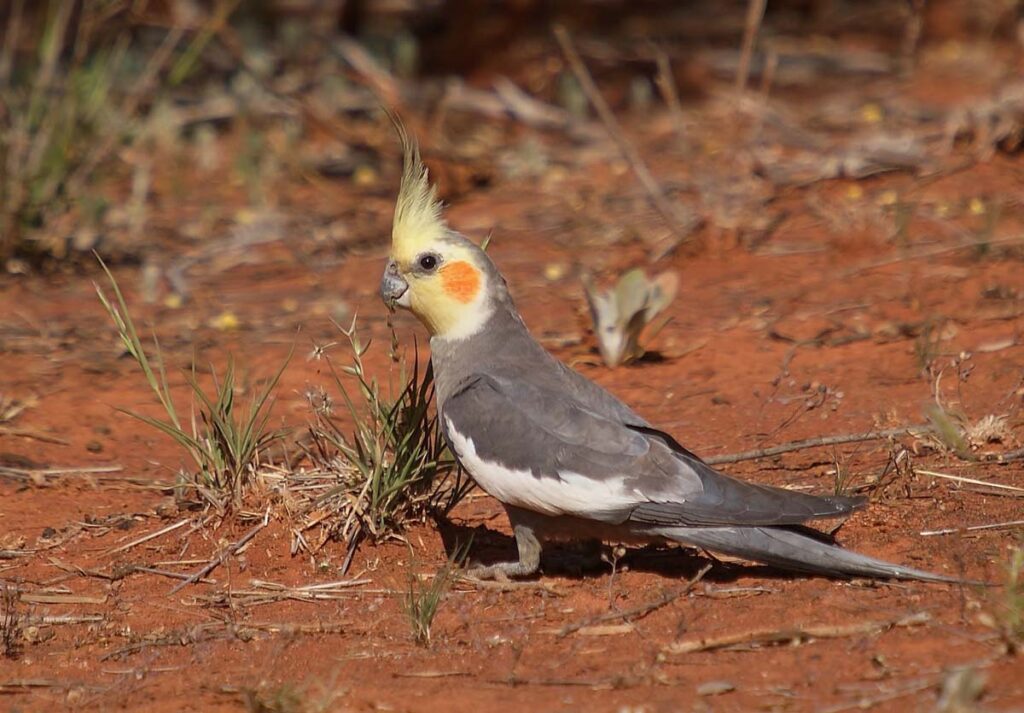
From the raucous calls of red-tailed black cockatoos to the graceful flight of pelicans, colourful parrots, waterbirds and tiny bush birds flitting through the trees, there’s always something to catch your eye.
Early mornings and late afternoons are particularly rewarding, when the bush comes alive with birdsong and the light is simply beautiful.
For keen birdwatchers, Trilby Station is listed as an eBird Hotspot, where you can explore recorded sightings and download a field checklist to keep track of your discoveries.. https://ebird.org/hotspot/L3030320?yr=all&m=&rank=mrec